Carpenter Ant Evidence: What to Record Before an Inspection
Draw a simple room outline and mark each sighting. Label a window, pipe chase or exterior door rather than writing only “ants everywhere.” Add the date and whether the insects were moving along a trail or appearing at one point. Keep photographs in their original sequence so a professional can compare the same area over time.
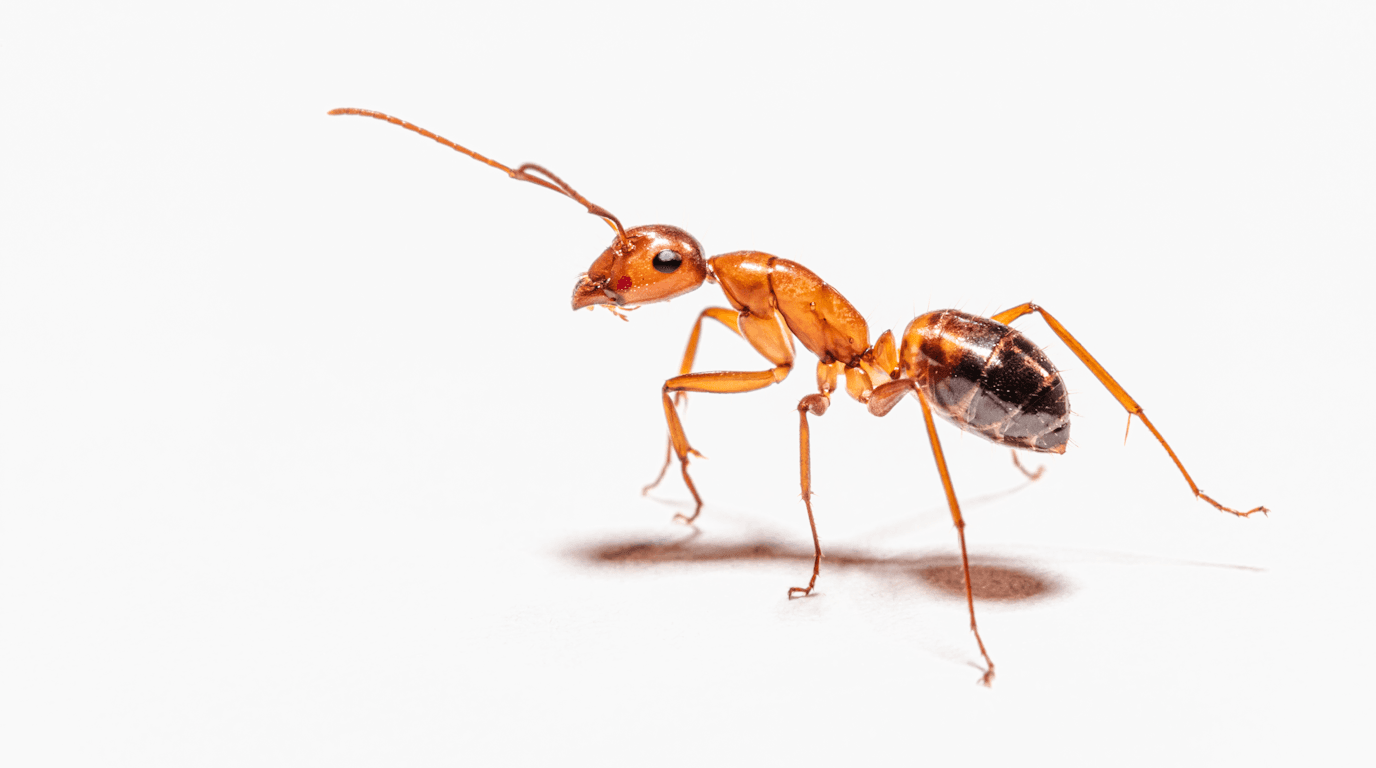
Make a small evidence map
Draw a simple room outline and mark each sighting. Label a window, pipe chase or exterior door rather than writing only “ants everywhere.” Add the date and whether the insects were moving along a trail or appearing at one point. Keep photographs in their original sequence so a professional can compare the same area over time.
Separate clues from conclusions
Carpenter ants excavate wood rather than consuming it. Moisture and damaged wood can matter, but neither large ants nor sawdust proves an active nest. Record exactly what you observed. Do not label an insect a termite or carpenter ant from size alone, and do not infer the amount of hidden damage from the number visible.
Add the building history
Ask the person responsible for maintenance about recent leaks, repairs and recurring moisture in the same location. Note whether nearby rooms or units have reported similar activity. A tenant can pass those questions to management without opening walls or entering another apartment. Leave species identification and any invasive inspection to an appropriate professional.
Make the follow-up useful
Ask for a written inspection summary, the proposed next step and a way to report continued activity. Keep the original map and record new sightings separately after any agreed work. A changed pattern is useful information, not proof that a treatment succeeded or failed. Confirm who handles moisture repairs and who returns to reassess pest activity.
Plan the next step
Use Carpenter Ant Inspection NYC to review the inspection scope, or send a service request with your borough, property type and observations. Keep resident names, entry codes and sensitive details out of the initial description.
Source and scope
University of Minnesota Extension: carpenter ants provides general background. The checklist above is original planning guidance, not a diagnosis or a guarantee of treatment results.
Need Professional Help?
Request an inspection and a treatment recommendation for your property.