Service requests across all five NYC boroughs
Back to Home
Resource Center
Pest Control Blog
Expert tips, prevention guides, and industry insights to help you maintain a pest-free home or business in New York City.
 Bed Bugs
What to Record Between Bed Bug Treatment and Follow-Up
Prepare a dated visit record that separates new observations, completed work and questions for the next bed bug inspection.
Nov 24, 20264 min read
Read article
 Cockroaches
Build a Room Map for Recurring Apartment Cockroach Sightings
Turn repeated cockroach sightings into a room-by-room inspection brief with dates, access limits and questions for building management.
Nov 24, 20264 min read
Read article
 Service Planning
Read a Pest Service Proposal: Visits, Exclusions and Follow-Up
Use a proposal checklist to distinguish the initial visit, routine checks, additional work and cancellation terms before choosing service.
Nov 24, 20264 min read
Read article
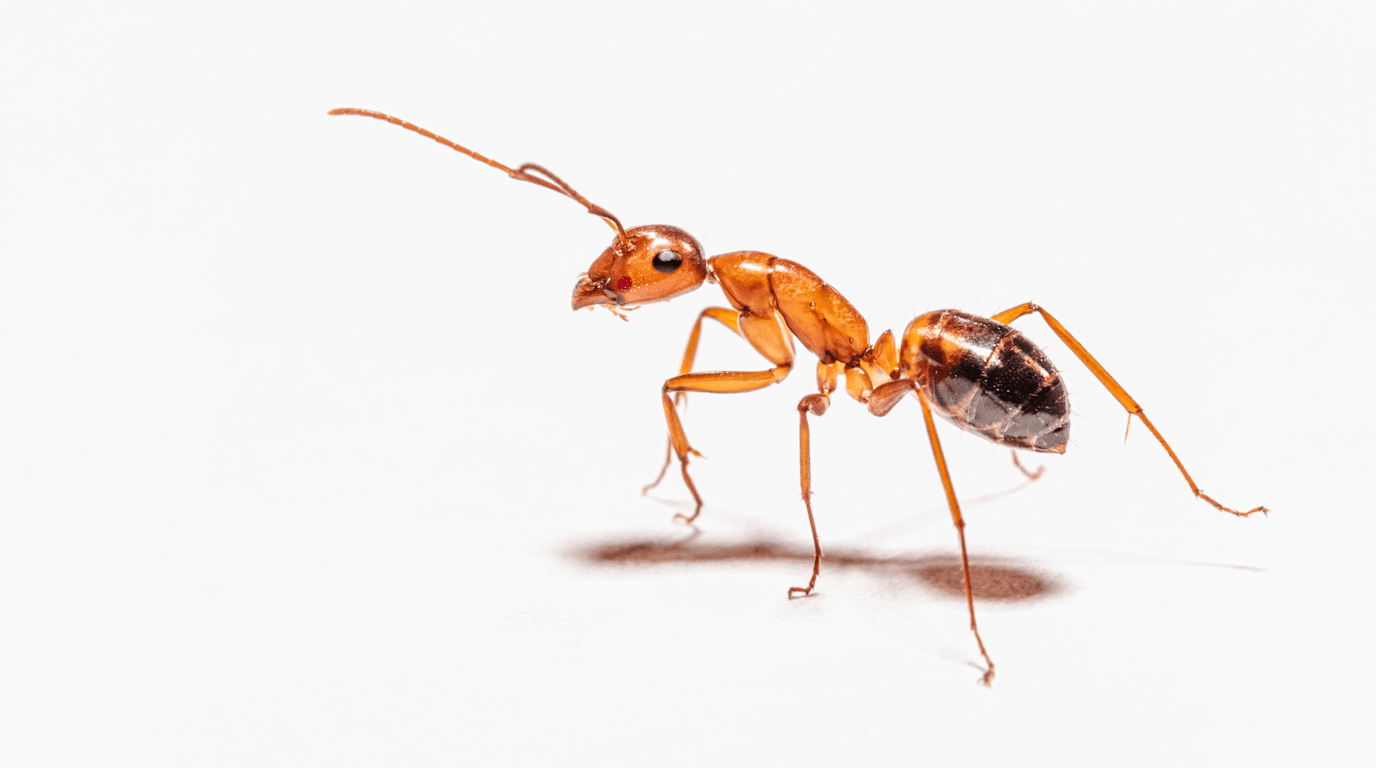 Ants
An Ant-Control Quote Worksheet: Compare Scope Before Price
Compare ant-control proposals with six practical worksheet rows, a fictional example and questions to resolve before booking.
Nov 20, 20264 min read
Read article
 Commercial
Map Restaurant Fly Activity Without Guessing the Source
Create a station map for restaurant fly sightings, record conditions and arrange inspection access without guessing the breeding source.
Nov 20, 20264 min read
Read article
 Property Management
A Trash-Room Pest Handoff for Building Staff
Connect trash-room pest observations with waste handling, maintenance owners and open tasks using a practical building staff handoff.
Nov 20, 20264 min read
Read article
AntsCarpenter Ant Evidence: What to Record Before an Inspection
Draw a simple room outline and mark each sighting. Label a window, pipe chase or exterior door rather than writing only “ants everywhere.” Add the date and whether the insects were moving along a trail or appearing at one point. Keep photographs in their original sequence so a professional can compare the same area over time.
Nov 10, 20264 min read
Read article
RodentsApartment Mice: Map Entry Points Before the Visit
Record sightings, gnawing or suspect droppings by location and date. Use a photograph taken without moving contaminated material. A cabinet under a sink, the wall behind an appliance and an entrance threshold are different locations with different access questions. Describe whether activity appears overnight or during occupied hours.
Nov 10, 20264 min read
Read article
RodentsA Building Walkthrough for Rat Exclusion Planning
Use a repeatable route from the entrance to the waste area, yard and accessible basement. Record each location with a clear name rather than an unlabelled photograph. Keep the walkthrough observational: do not enter unsafe spaces, move contaminated refuse or approach animals to obtain better evidence.
Nov 10, 20264 min read
Read article
CommercialPrepare a Restaurant for a Roach Service Visit
Write down whether the concern is under a dish station, near a bar drain, in dry storage or elsewhere. Include the time of sightings and whether they coincide with deliveries or closing. These details let the service conversation focus on inspection access instead of a general request to spray the restaurant.
Nov 10, 20264 min read
Read article
 Property Management
Co-op and Condo Pest Control: Coordinate Units and Common Areas
Choose an authorized manager to collect sightings and arrange the inspection. Keep a private log with location, date and the observed issue. Public notices can explain the process without identifying residents or circulating apartment-level complaints. Use the minimum information needed for the service team to plan access.
Nov 10, 20264 min read
Read article
Property ManagementBrownstone Pest Inspection: Connect Basement, Kitchen and Entry Clues
Sketch the basement, entrance level and occupied floors. Mark sightings by level and room so the professional can ask about connected service routes. Do not assume that a sighting upstairs means the entry point is upstairs; the map is a starting point for questions, not a diagnosis.
Nov 10, 20264 min read
Read article
CommercialA Retail Stockroom Pest Monitoring Handoff
Use shelf or aisle labels already understood by staff. Record the date and location of a sighting, damaged carton or other concern without declaring every damaged package a pest incident. Keep suspect stock handling within the business’s existing procedures and ask the manager for the appropriate next step.
Nov 10, 20264 min read
Read article
CommercialOffice Pantry Pest Problems: A Facilities Checklist
Record room, date and the visible issue. Avoid turning the log into a list of who left food behind. A shared facilities record works better when it focuses on conditions that can be checked and corrected. Photos should show the affected area without exposing screens, documents or staff personal information.
Nov 10, 20264 min read
Read article
Bed BugsHotel Bed Bug Reports: Build a Clear Inspection Handoff
Record what was reported, where and when. Distinguish a guest’s description from confirmed physical evidence. Keep guest names, travel information and health details out of public notes or website forms. The inspection team needs the relevant location and observations through an appropriate private handoff.
Nov 10, 20264 min read
Read article
 Property Management
Pest Questions to Ask Before Apartment Handover
Instead of asking only whether the apartment has ever had pests, ask what was reported, what work was done and whether follow-up or repairs remain open. The availability of records varies. Do not interpret missing paperwork as proof of either an infestation or a clean history.
Nov 10, 20264 min read
Read article
 Mosquitoes
Mosquito-Proof Your NYC Outdoor Space: A Seasonal Guide
Enjoy your rooftop, patio, or backyard without the buzz. Practical strategies to reduce mosquitoes around your NYC home from spring through fall.
Apr 1, 20259 min read
Read article
 Tenant Rights
NYC Tenant Rights: What Your Landlord Must Do About Pests
Know your legal rights as an NYC renter when it comes to pest infestations, from bed bugs to rodents, and what steps to take when your landlord won't act.
Mar 22, 20258 min read
Read article
Bed BugsHow to Identify a Bed Bug Infestation in Your NYC Apartment
Learn the telltale signs of bed bugs and what to look for in your mattress, furniture, and bedding before the problem gets worse.
Mar 15, 20257 min read
Read article
Roaches7 Ways to Prevent Roaches in Your NYC Kitchen
Practical tips to keep your kitchen roach-free, from proper food storage to sealing entry points around pipes and cabinets.
Mar 8, 20257 min read
Read article
 Prevention
Spring Pest Prevention Checklist for NYC Homeowners
As temperatures rise, so does pest activity. Get your home ready for spring with this comprehensive prevention guide.
Mar 1, 20257 min read
Read article
RodentsHow to Rat-Proof Your NYC Building: A Complete Guide
Essential steps building managers and homeowners can take to prevent rodent entry and protect their property year-round.
Feb 20, 20258 min read
Read article
CommercialRestaurant Pest Control: NYC Health Code Compliance Guide
Stay compliant with NYC health codes and protect your restaurant's reputation with proper pest management practices.
Feb 15, 20258 min read
Read article
AntsThe NYC Ant Invasion Guide: Identifying and Eliminating Common Species
From carpenter ants in brownstones to pavement ants in kitchens, learn which ants are invading your NYC home and the right way to get rid of them.
Feb 5, 20259 min read
Read article
 Eco-Friendly
 Pest Control: Safe Options for NYC Families
Explore environmentally responsible pest control methods that are safe for your family, pets, and the planet.
Jan 28, 20258 min read
Read article
PreventionMoving Into a New NYC Apartment? Your Pest Prevention Checklist
Before you unpack a single box, use this checklist to inspect your new apartment for signs of pests and prevent bringing any with you.
Jan 12, 20258 min read
Read article
PreventionThe Ultimate NYC Apartment Pest Control Checklist
A room-by-room guide to keeping your NYC apartment pest-free year-round, with actionable tips for every budget.
Jan 5, 202510 min read
Read article
PreventionDIY vs. Professional Pest Control: When to Save and When to Call
Not every bug sighting requires a professional. Learn which pest problems you can handle yourself and which ones demand expert intervention.
Dec 18, 20249 min read
Read article
 Prevention
Winter Pest Prevention: Why Pests Move Indoors When NYC Gets Cold
Cold weather doesn't eliminate pests — it drives them into your home. Learn which pests are most active in winter and how to keep them out.
Nov 15, 20249 min read
Read article
Need Professional Help?
While prevention is important, some pest problems require expert intervention. Request an inspection and a written service scope.