Moving Into a New NYC Apartment? Your Pest Prevention Checklist
Before you unpack a single box, use this checklist to inspect your new apartment for signs of pests and prevent bringing any with you.
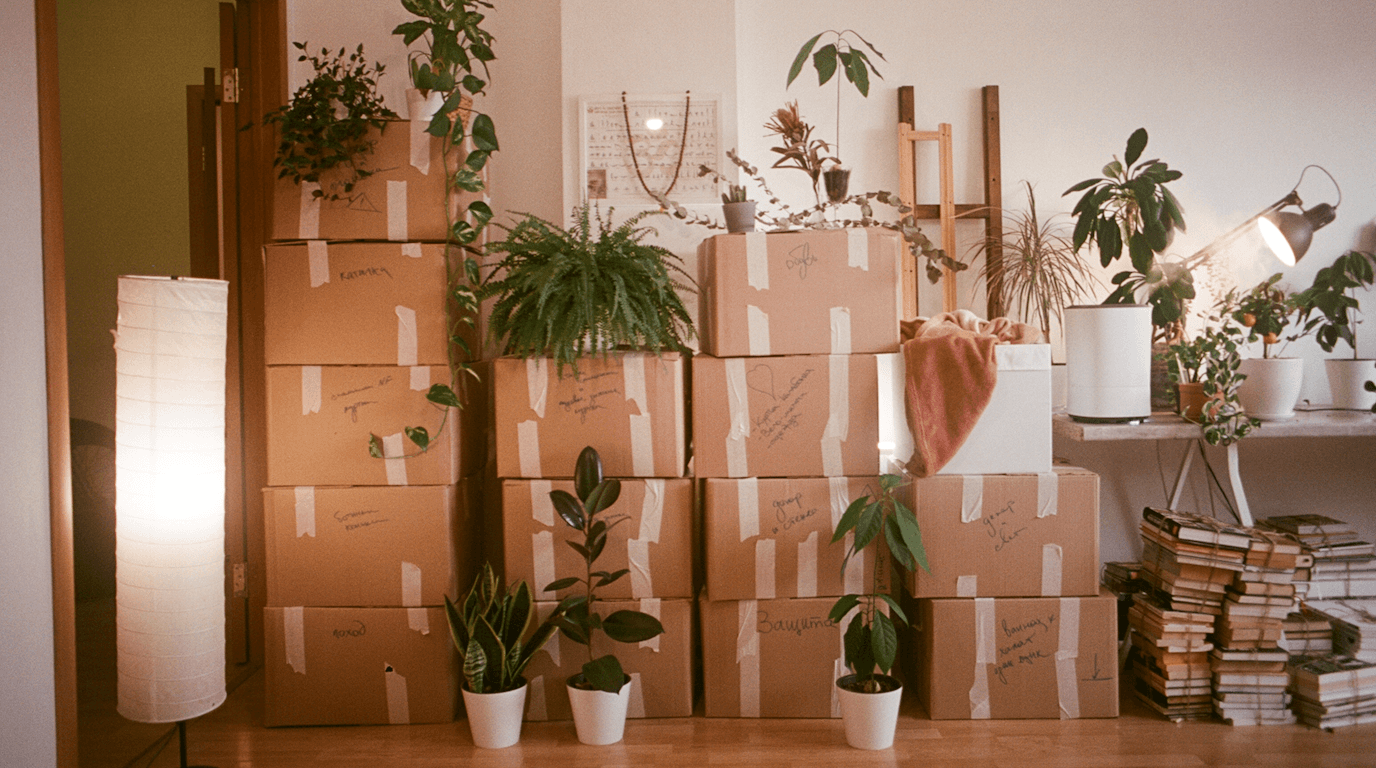
Moving day in New York City is chaotic enough without discovering your new apartment has uninvited roommates. Whether you're moving into a newly renovated unit or a charming pre-war walk-up, a systematic inspection before and during move-in can save you months of headaches.
Before You Sign the Lease
Questions to Ask the Landlord or Broker
- Has this unit or building had any pest issues in the past year?
- What pest control service does the building use, and how often do they treat?
- For bed bugs specifically: NYC law requires landlords to disclose bed bug history. Ask for the annual bed bug disclosure notice.
- Is the building enrolled in an Integrated Pest Management (IPM) program?
Red Flags During the Apartment Tour
- A strong air freshener or chemical smell in an empty apartment — sometimes used to mask pest-related odors
- Caulk that looks fresh and hastily applied around baseboards (could indicate a recent pest issue was patched over)
- Sticky traps or bait stations visible under sinks or in corners
- Droppings along baseboards, inside cabinets, or in closets
- Gaps around pipes, electrical outlets, and where walls meet the floor
Move-In Day Inspection Checklist
Do this before moving any furniture or boxes into the apartment:
Kitchen
- Open all cabinets and drawers — look for droppings, grease smears, egg cases, or dead insects
- Inspect under the sink thoroughly — check around pipes, behind the garbage disposal, and in corners
- Pull out the stove and refrigerator if possible — look behind and underneath
- Check inside the dishwasher, especially around door seals and the filter
- Run the garbage disposal and check for drain flies
Bathrooms
- Inspect under the sink and around the toilet base
- Look for moisture damage or mold (which attracts pests)
- Check inside the medicine cabinet and vanity
- Look for silverfish — they love humid bathrooms
Bedrooms
- Inspect the closets — corners, shelves, and along the baseboard
- If the unit has existing fixtures like built-in shelving, check behind and underneath
- Examine any carpet edges for evidence of carpet beetles or fleas
- If the unit was furnished, inspect any beds thoroughly for bed bug signs
Living Areas
- Check along all baseboards for droppings, rub marks, or gaps
- Inspect window frames and sills — particularly for gaps that let in flies and ants
- Look behind any radiators or heating units
- Check inside electrical outlet and light switch covers (with power off) for roach evidence
Basement and Storage
- If you have a storage cage, inspect it before putting anything inside
- Look for rodent droppings, gnaw marks, or nesting material
- Check that the space is dry — moisture attracts virtually every pest
Preventing Pest Transfer From Your Old Place
Moving is one of the most common ways pests spread, especially bed bugs.
Packing Tips
- Inspect all furniture, especially upholstered pieces, before loading them on the truck
- Wash and dry all clothing, linens, and fabrics on the highest heat setting before packing — or immediately upon arrival
- Use clear plastic bins instead of cardboard boxes when possible (you can see inside them, and roaches can't eat the glue)
- Don't pack anything from under the kitchen or bathroom sinks without inspecting it first
- If you had any pest issues at your previous address, consider having your belongings treated before moving
On Moving Day
- Don't set boxes on the floor of hallways or stairwells for extended periods — roaches and other pests can climb inside
- Unpack quickly and break down all cardboard boxes — remove them from the apartment the same day if possible
- Inspect each item as you unpack and place it in its new location
First-Week Essentials
Seal and Secure
- Caulk any gaps you found during inspection (around pipes, baseboards, window frames)
- Install door sweeps on the front door if there's a visible gap
- Place fine mesh screens over any uncovered drain openings
- Fill gaps around electrical outlets with foam gaskets (available at any hardware store)
Set Up Monitoring
- Place a few sticky traps (glue boards) in key locations: under the kitchen sink, behind the toilet, inside closets, and along bedroom baseboards
- Check the traps weekly for the first month — they'll tell you what's active in the space before it becomes visible
Stock Your Cleaning Arsenal
- Keep the kitchen exceptionally clean for the first few weeks — you're establishing territory
- Wipe counters after every use, sweep daily, and don't leave any food out
- Clean inside all cabinets with a mild disinfectant before putting food or dishes inside
When to Call a Professional
If your inspection or monitoring reveals any of the following, contact a pest control professional before fully settling in:
- Roach droppings or live roaches in multiple areas
- Any sign of bed bugs (stains, shed skins, live bugs)
- Mouse or rat droppings
- Evidence of carpenter ants (sawdust piles near wood structures)
- More than a few insects on sticky traps within the first week
It's far easier and cheaper to treat an empty or mostly empty apartment than a fully furnished one.
Need Professional Help?
Request an inspection and a treatment recommendation for your property.